 Alaska Nomad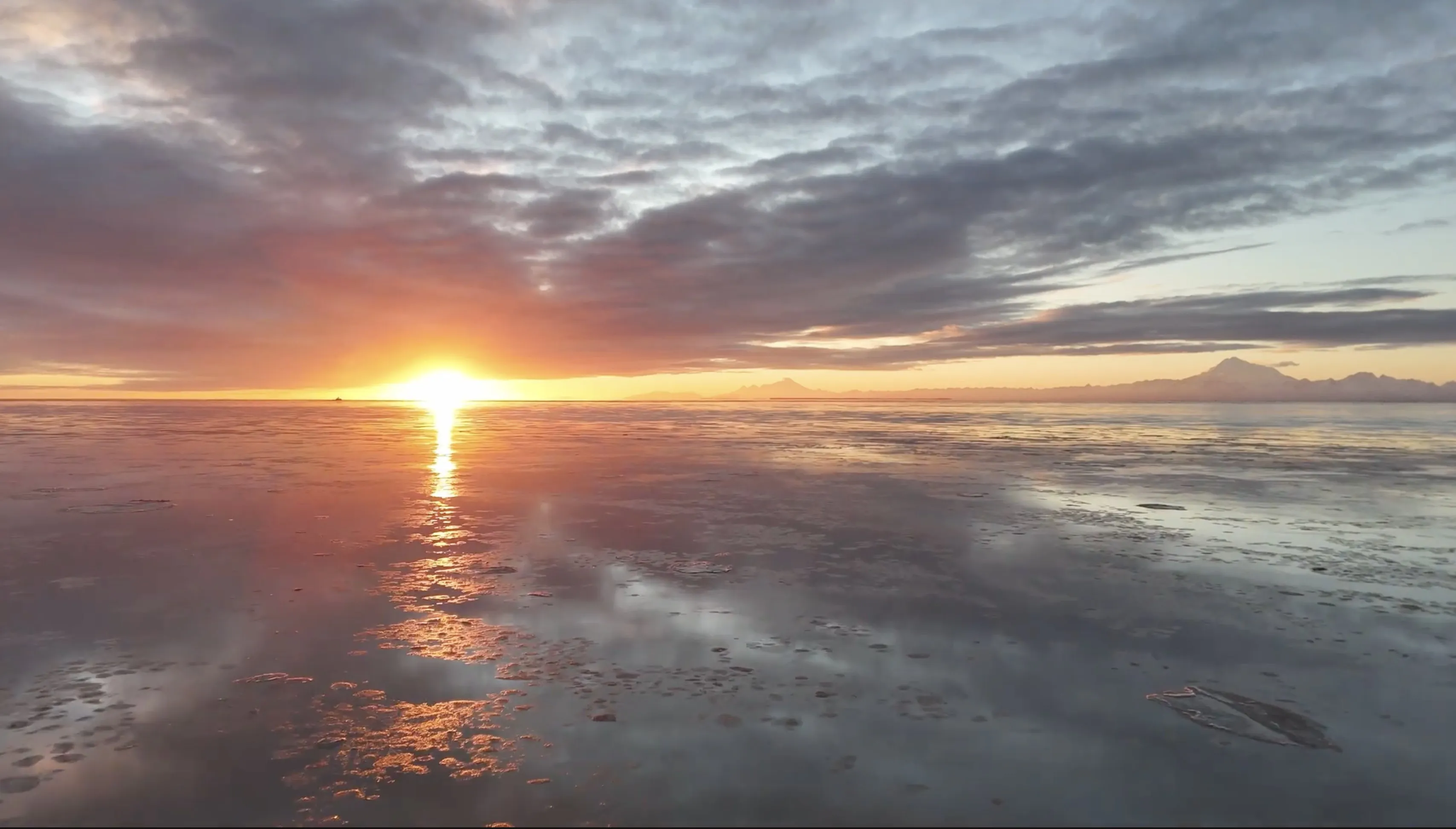
Flares Over Cook Inlet (And In My Soul)
Winter flares over Cook Inlet reveal how easy it is to ignore warning signs—burnout, exhaustion, and the quiet signals from our bodies and souls.
Jason Evoy
Filmmaker & writer
Sending up Flares: Warnings Ignored
In winter, something shifts.
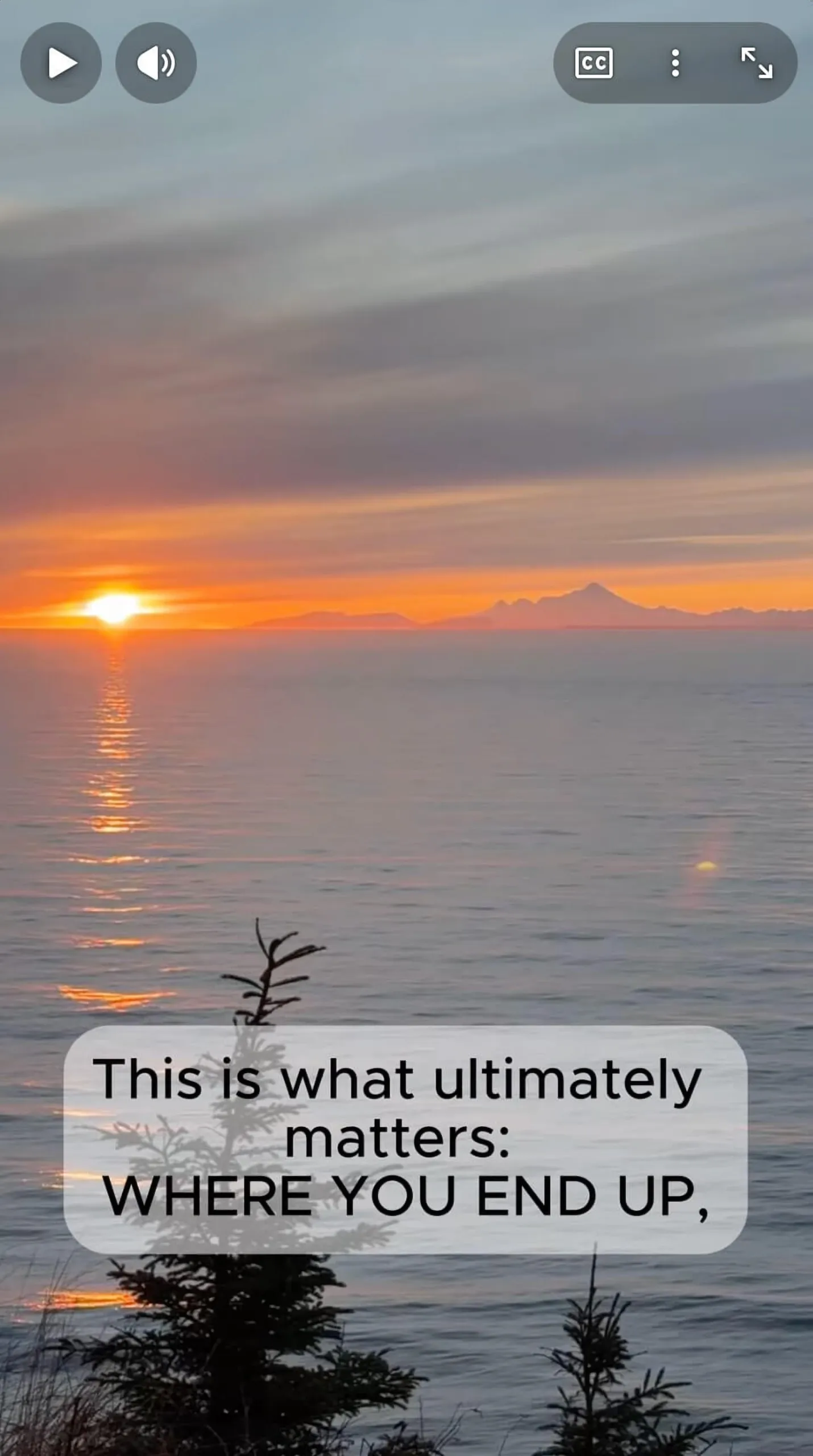
The sunsets linger longer. The sky pulls your eyes upward. Light hits the water differently when the sun stays low on the horizon, bending and refracting in ways you never see in summer. There’s a clarity to winter—details you can’t normally see suddenly come into focus.
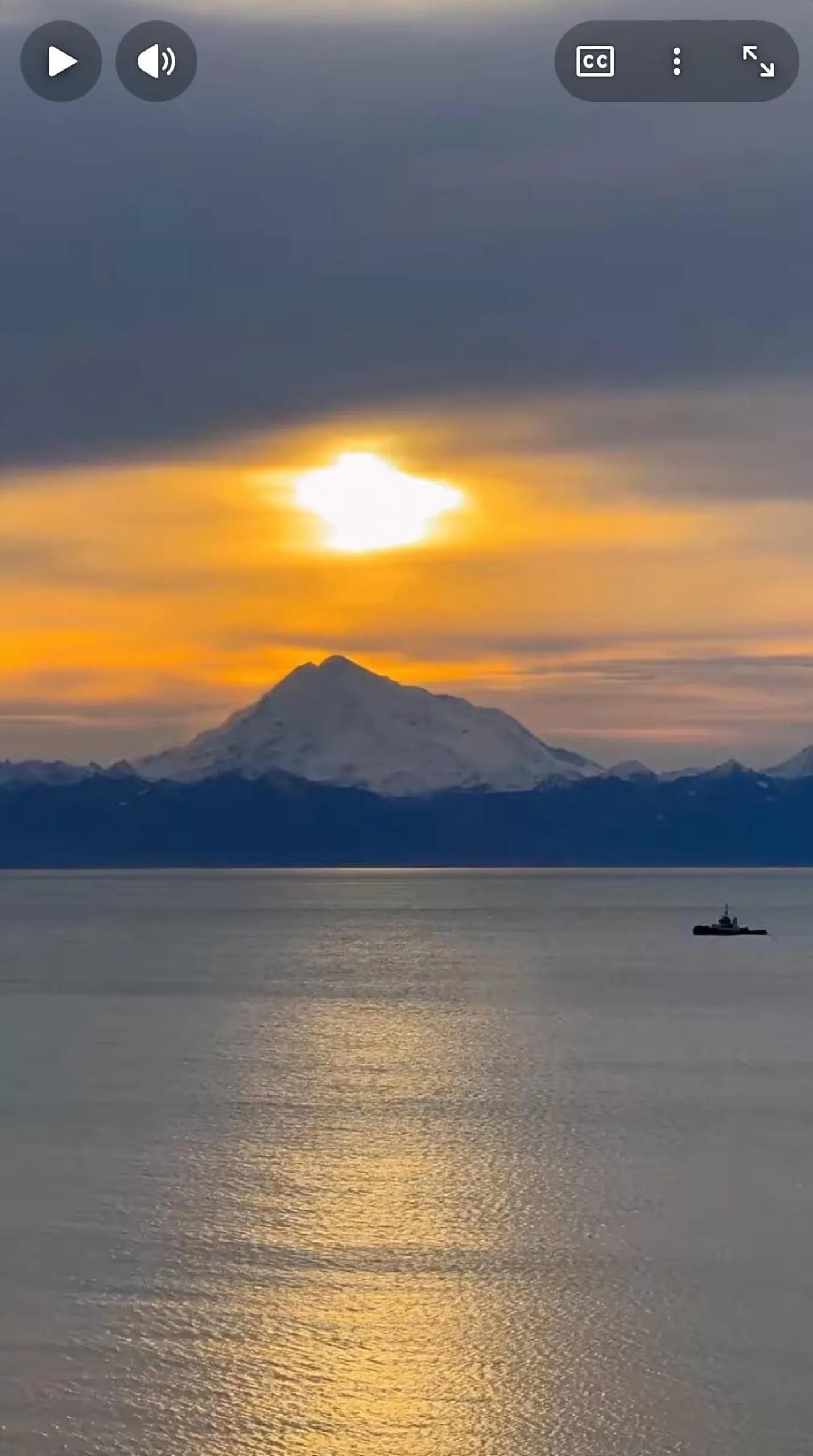
From our house, we can see dozens of miles across Cook Inlet. On clear days, the mountains feel close enough to touch. Mount Spurr to the north, along the edge of the Tordrillo range. Redoubt and Iliamna to the west. And sometimes, way off in the distance to the south, Mount Augustine. All of them volcanoes. All of them alive in their own quiet way. Some of them breathing out steam on cold days.
One night, standing at the window, watching darkness settle over the water, I noticed something that stopped me cold.
Flares.
Not just one—but several. Burning bright over the inlet.
My body reacted before my mind caught up. Adrenaline. A tightening in my chest. I grabbed my phone and called emergency services immediately. Because if you live on the water, you don’t ignore flares. You don’t debate it. You call it in.
After a while on hold, I was told everything was okay. The U.S. Air Force had notified them of training missions. Routine. Controlled. No emergency.
We’ve seen these flares dozens of times since. Every time they happen, social media lights up with questions. “Did anyone else see that?” “What’s going on out there?” And even now, knowing exactly what they are, I still feel that jolt in my body. That quiet question: What if this time is different?
There was a chapter in my life when I hated metaphors. Back in high school—English class in the 90s—we were always asked to hunt them down. Symbols. Imagery. Meaning hidden beneath the surface. I didn’t care for it then.
Now, I can’t escape them.
Life has a way of teaching you in stories, whether you want it to or not. And Alaska—raw, rugged, honest Alaska—has become one of the ways I make sense of myself, my limits, my hopes, and my failures.
These flares have stayed with me.
Because flares are supposed to mean something. They’re meant to signal danger. A cry for help. An emergency that can’t be ignored.
But these ones? They burn bright for a moment… and fade into the dark.
And that’s what made me realize how easy it is to get used to warning signs.
For years, my life was filled to the edges—and beyond. A constant drive to improve. To produce. To be effective. To carry responsibility well. I carried my own grief, but also the hidden grief of others. I walked with people through unimaginable loss. Through death. Through heartbreak. And I told myself it was just part of the calling. Part of the job. Part of who I was.
▶ Watch on YouTube: Timelapse: Night Falls | Flares over Cook Inlet, Ships in the Night
The original Alaska Nomad flare video uploaded on January 30, 2024.
The flares were going off everywhere.
- In my body.
- In my mind.
- In my soul.
Warning signs of something unsustainable. But I ignored them.
I had grown so used to the signals that they stopped feeling urgent. I powered through. Pushed harder. Tightened my grip. Because letting go felt like losing my identity.
And when the real emergency came—when my heart and body sent up unmistakable flares—I ignored those too. For far too long.
Even now, I wish I could say I’ve fully learned the lesson.
Sure, I eat differently. I move differently. I exercise more intentionally. But if I’m honest, I don’t always work differently. I still max out emotionally. I still overextend. I still internalize other people’s pain more than I should. I still tie my value to what I produce and how well I perform. I still lose sleep over things I can’t fix. I work and work and work… I don’t even notice what’s happening… until the flares start falling again.
What I’m learning, very slowly, is how to pay attention earlier. To listen to my body. To notice my heart. To discern when God is inviting me to lean in… and when He’s asking me to let go.
If any of this resonates—if you’ve felt your identity wrapped up in your work, your productivity, your success—I’d genuinely love to hear how you’re learning to balance excellence and responsibility with health and wholeness.
And if you follow Jesus, I’d love to hear how that’s shaping your spiritual life too.
Because flares aren’t meant to be ignored.
They’re invitations to stop, to listen, and maybe—before it’s an emergency—to ask for help.
May I come to always remember what Jesse Eubanks writes in his book How We Relate: Understanding God Yourself, and Others through the Enneagram,
“He [Jesus] came to give you the freedom, security, and identity your soul has searched for.”
Thanks for reading. If you liked the thoughts, I’d love for you to subscribe to our newsletter below.
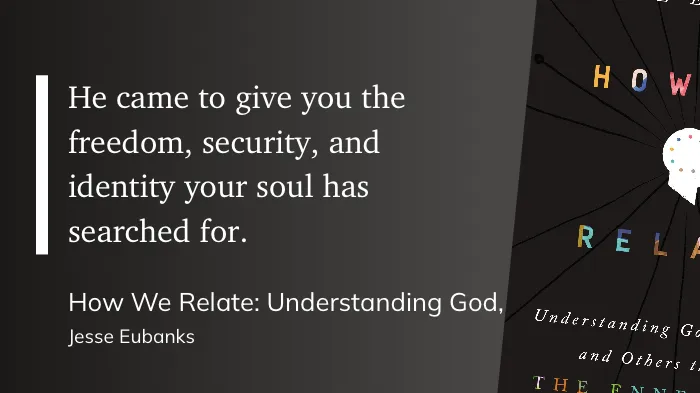
How We Relate: Understanding God, Yourself, and Others through the Enneagram by Jesse Eubanks
How We Relate explores how our patterns of relating shape our view of God, ourselves, and others. Using the Enneagram through a Christ-centered lens, Jesse Eubanks connects personality, formation, and healing, helping readers recognize warning signs in their inner life and rediscover identity rooted not in performance, but in the freedom and security Jesus offers.
From the Bluff
One letter, when something's worth sharing.
A note from the bluff: a new reflection, thoughts on what I'm reading, meaningful quotes, and glimpses of Alaska life.
Unsubscribe anytime