 Alaska Nomad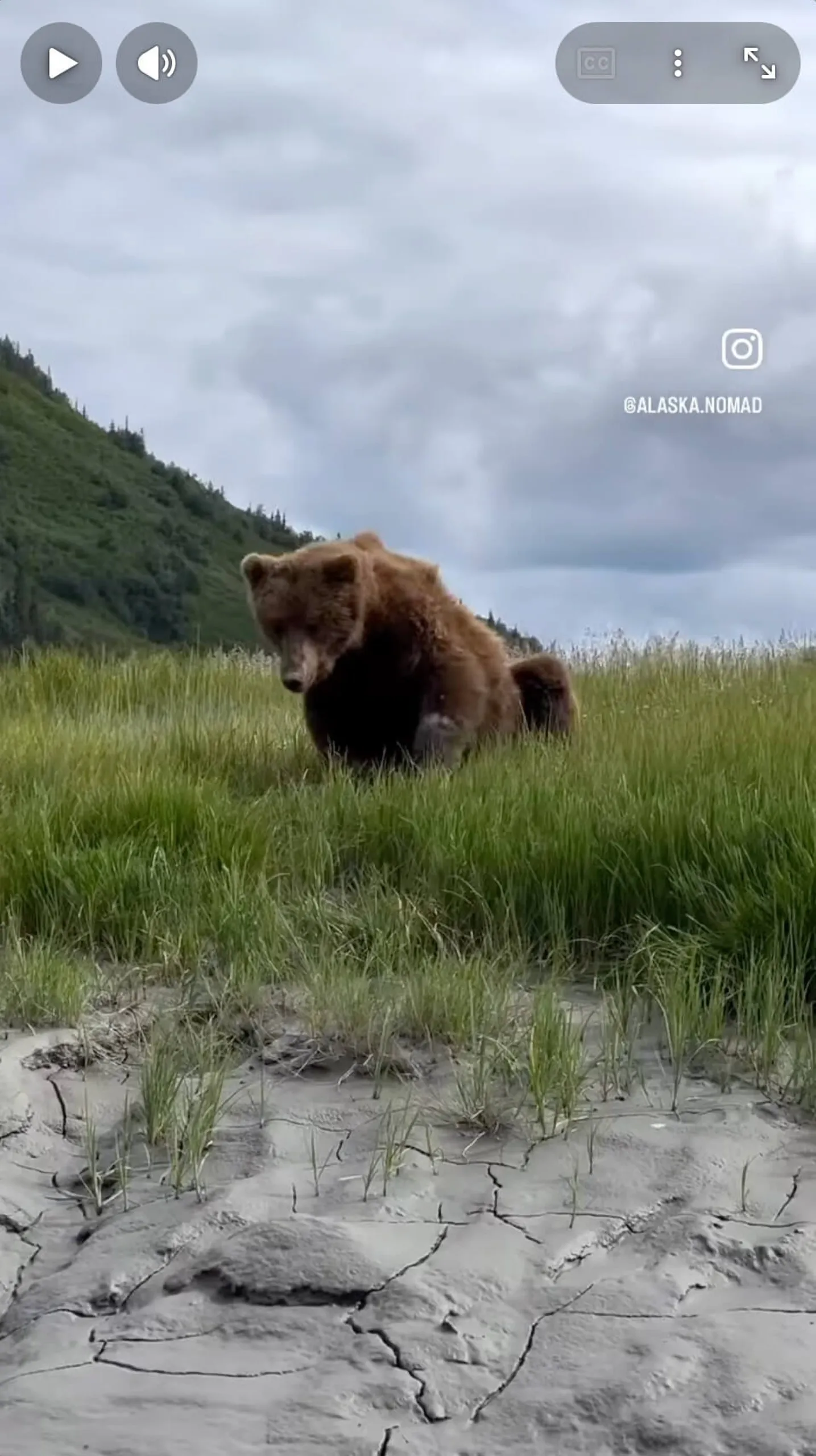
When to apply bear spray: Before Hike, When Seen, Other?
Bear spray is a non-lethal deterrent designed to stop an aggressive or charging bear. It is important to understand that bear spray is not a repellent and should never be applied to clothing, skin, or gear like an insect repellent.
Jason Evoy
Filmmaker & writer
The footage features brown bears foraging and resting in the meadows of Tuxedni Bay, located within Lake Clark National Park and Preserve. While the video presents a lighthearted take on the question, the topic of bear deterrents is a serious consideration for anyone planning a backcountry trip.
Bear spray is a non-lethal deterrent designed to stop an aggressive or charging bear. It is important to understand that bear spray is not a repellent and should never be applied to clothing, skin, or gear like an insect repellent. Instead, it is meant to be sprayed directly at a bear in the event of an encounter where the animal is showing signs of aggression. Carrying bear spray in an accessible holster on your body is highly recommended, as bear encounters can happen quickly and unexpectedly. Lake Clark National Park is home to one of the highest densities of brown bears in the world, making proper safety knowledge vital for both the protection of visitors and the well-being of the wildlife. Engaging with educational resources and local park rangers can provide valuable insights into the correct handling and deployment of bear spray before heading out on the trail.
From the Bluff
One letter, when something's worth sharing.
A note from the bluff: a new reflection, thoughts on what I'm reading, meaningful quotes, and glimpses of Alaska life.
Unsubscribe anytime