 Alaska Nomad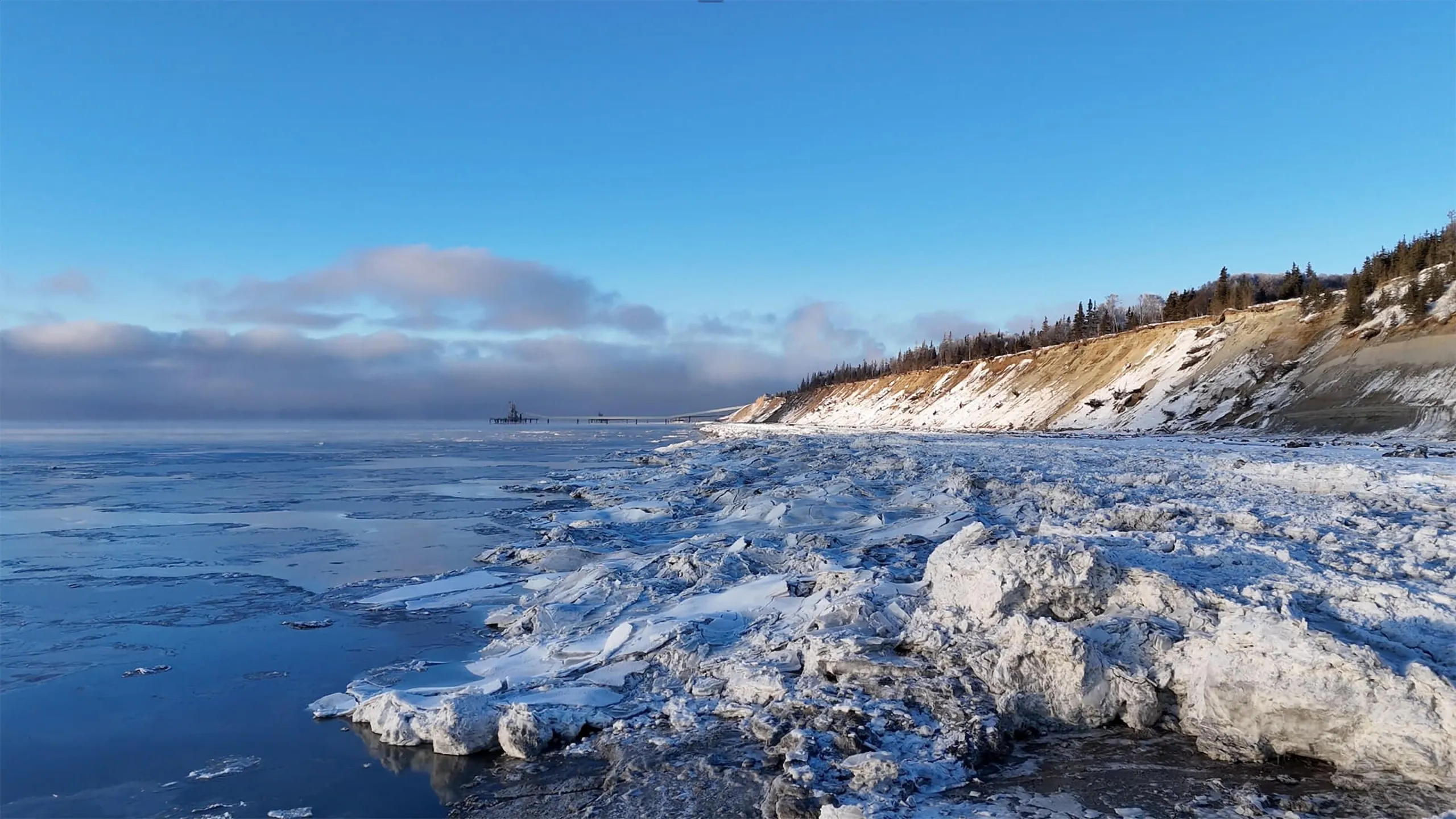
Ice Shoves on Cook Inlet
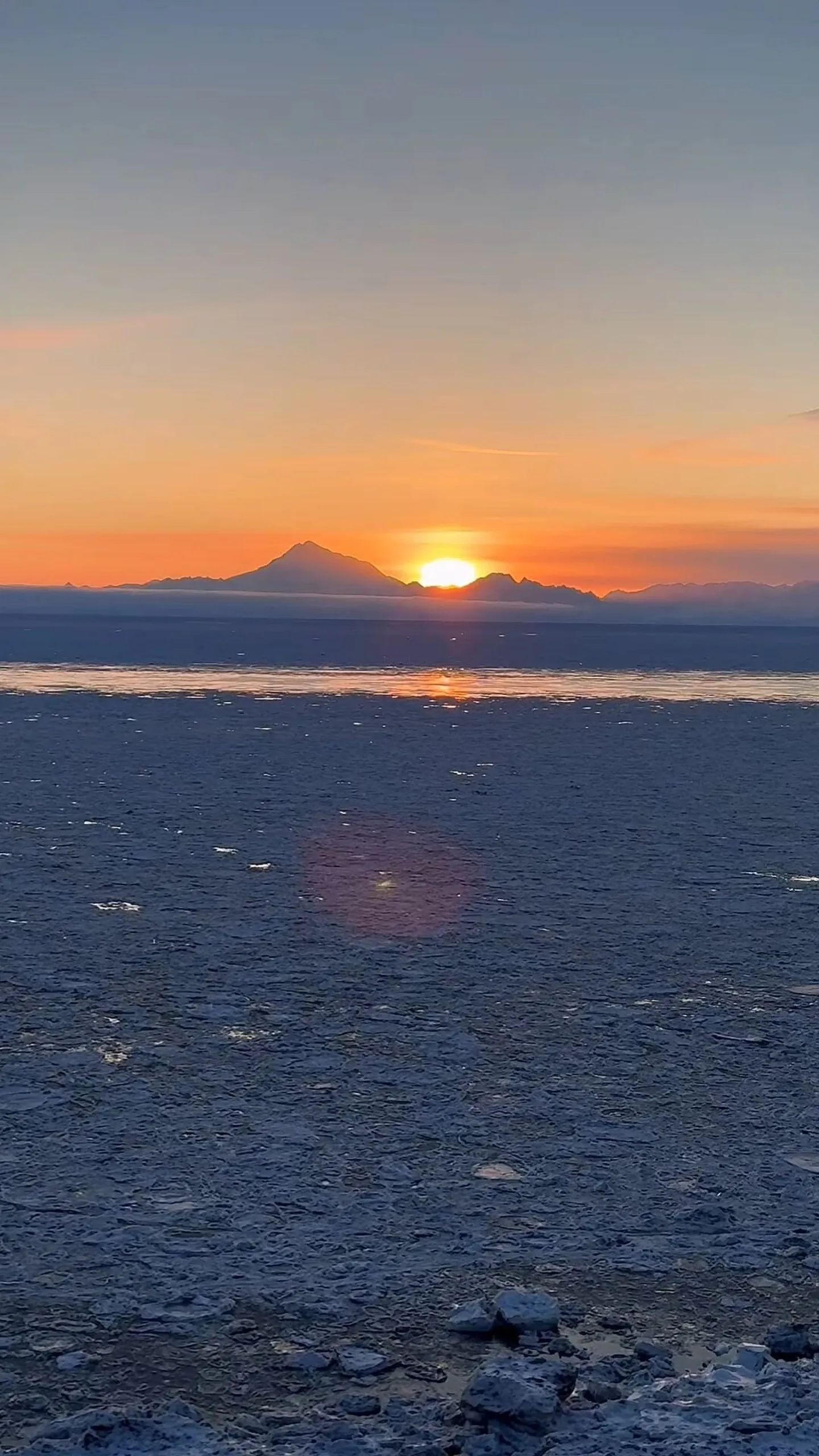
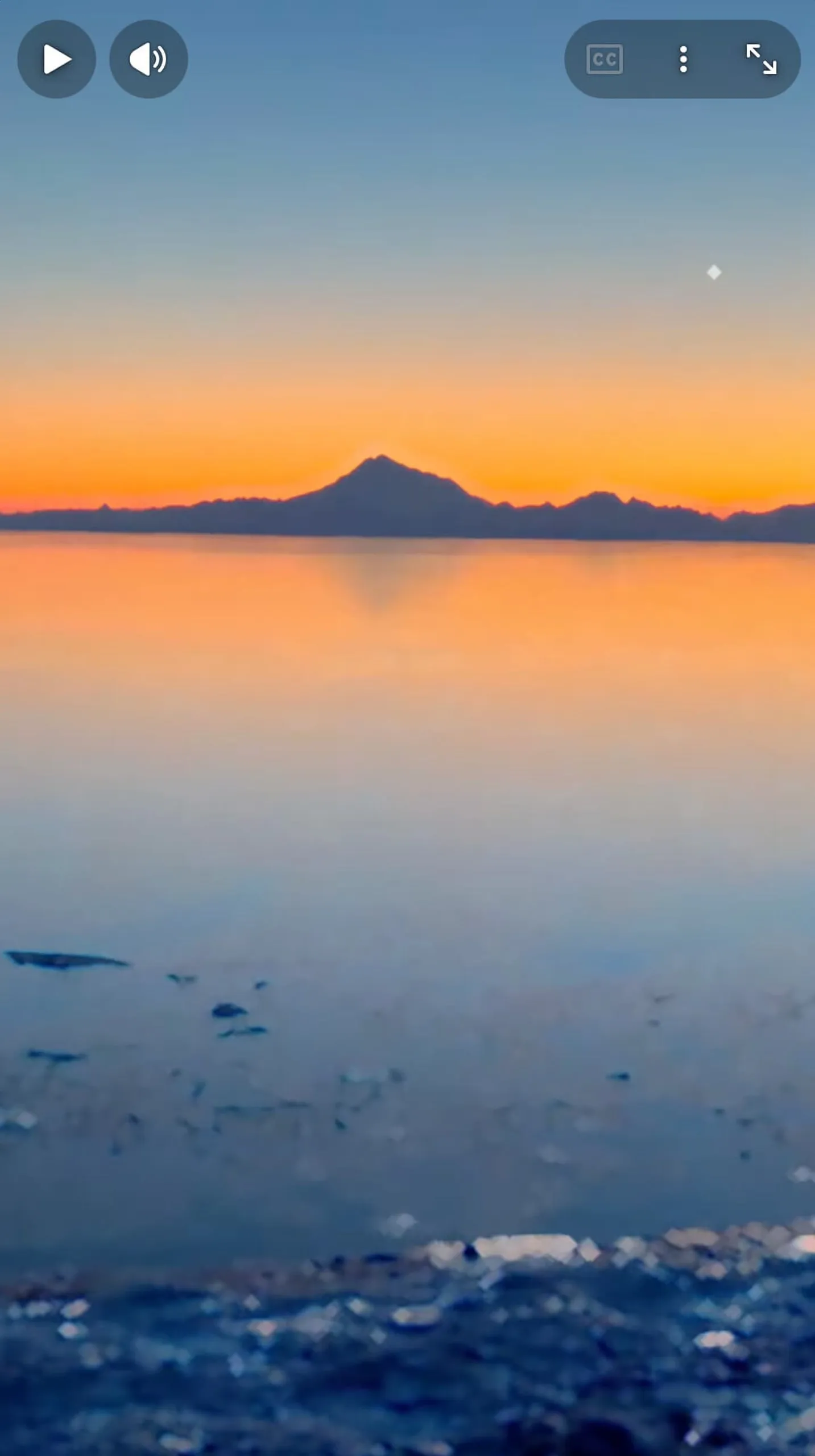
When temperatures drop and the tides start moving, Cook Inlet puts on one of Alaska's winter shows — massive walls of ice shoved right up onto the beach.
Jason Evoy
Filmmaker & writer
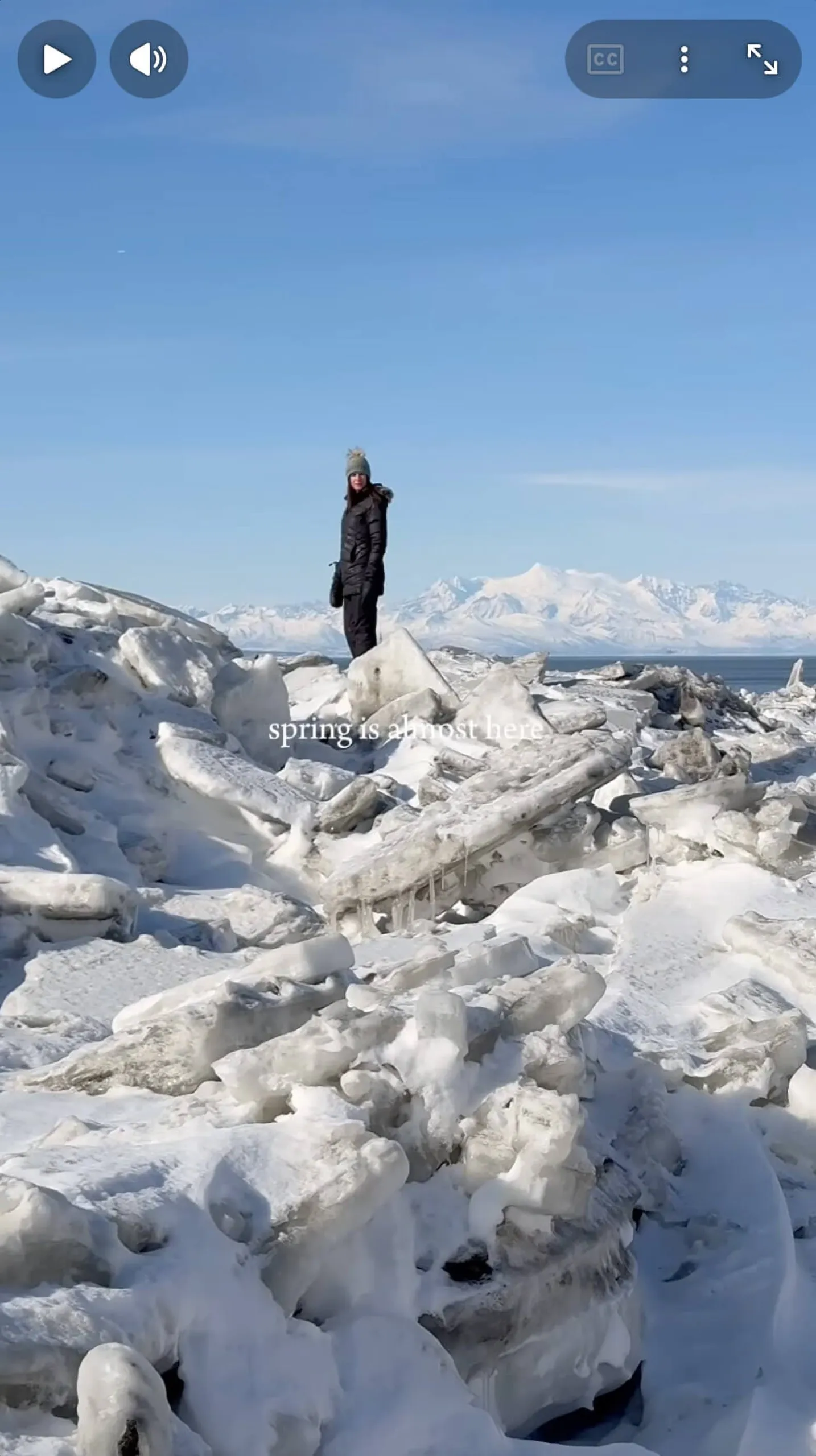
Ice shoves, also called ice heaves or ice tsunamis, are an Alaska phenomenon that you have to see to fully appreciate. It’s when strong winds or massive tidal swings push large sheets of ice onshore. They stack up in cracked, jagged, and jumbled piles that can reach several feet high, grinding over the beach.
Cook Inlet is one of the best places in Alaska to witness ice shoves because of the tides. Cook Inlet has one of the most extreme tidal changes in North America. On our beach, we can see it swing over thirty feet between high and low tide. What many people don’t realize is that a thirty-foot tide change isn’t that thirty feet of sand is exposed or uncovered. This is 30 VERTICAL feet of water going out over about 6 hours and coming back in the next 6 hours. That kind of water movement generates serious force, and when there’s ice on the inlet, all that energy has to go somewhere. Add in a sustained wind and things pile up quickly… and get left behind on the beach, sometimes for weeks.
The time this happens the most in our area is when the weather dips below zero degrees Fahrenheit for a multi-day period. If it’s -25°F for a week, this is certain to occur. Thick slabs form on the inlet and float by until catching on the retreating beach edge with the wind pushing on shore.
Some of my favorite views are during those deep, cold stretches, when mist rises from the open water, giving the whole scene an eerie, almost otherworldly look while vehicle-sized or house-sized ice grinds and piles along the shoreline.
Hopefully, you enjoy one of my first videos on the Alaska Nomad channel, showing that this happened. I am using a DJI Mini Pro 4 from the top of the bluff.
If you like the content, I’d love for you to subscribe to our email newsletter below and/ or the YouTube channel.
From the Bluff
One letter, when something's worth sharing.
A note from the bluff: a new reflection, thoughts on what I'm reading, meaningful quotes, and glimpses of Alaska life.
Unsubscribe anytime